Women's Health
Breath, Core, and Calm
How the diaphragm connects your nervous system response directly to your pelvic floor health.
If you have ever taken a yoga class or visited a physical therapist, you have been told to 'breathe into your belly.' But for women navigating midlife stress, this instruction is much more than a relaxation tip it is a functional anatomical requirement.
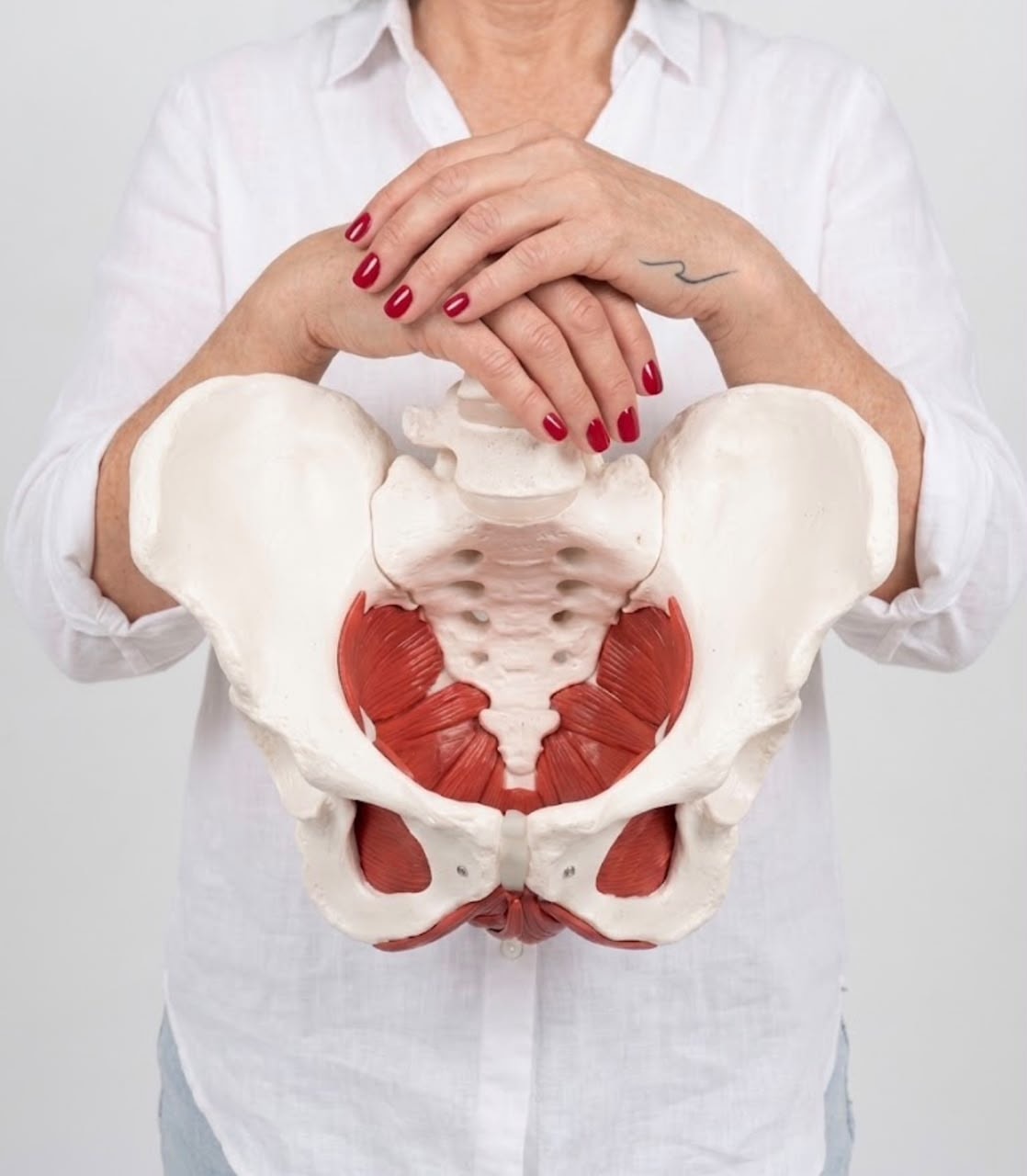
Your respiratory diaphragm (under your lungs) and your pelvic floor (at the base of your pelvis) are anatomically engineered to function together as a coordinated piston system. When this system breaks down due to stress or bad posture, your pelvic floor suffers, and your nervous system stays locked in a state of anxiety.
The Dynamic Piston System
Imagine your torso as a canister. The top lid is your diaphragm, and the bottom base is your pelvic floor. They are designed to move in perfect rhythm:
-
On the Inhale: Your diaphragm moves downward to draw air into your lungs. To accommodate this downward pressure, your pelvic floor gently drops, expands, and lengthens like a soft hammock.
-
On the Exhale: Your diaphragm moves back up, and your pelvic floor naturally recoils and gently lifts upward to its resting position.
This natural movement massages your pelvic organs, moves lymphatic fluid, and continuously stimulates the vagus nerve to maintain a calm, regulated nervous system state.
The Midlife Paradox: Sucking it In
Unfortunately, many women over 40 spend decades doing the exact opposite. Out of habit, body image pressures, or daily rush, we subconsciously suck our bellies in and chest-breathe.
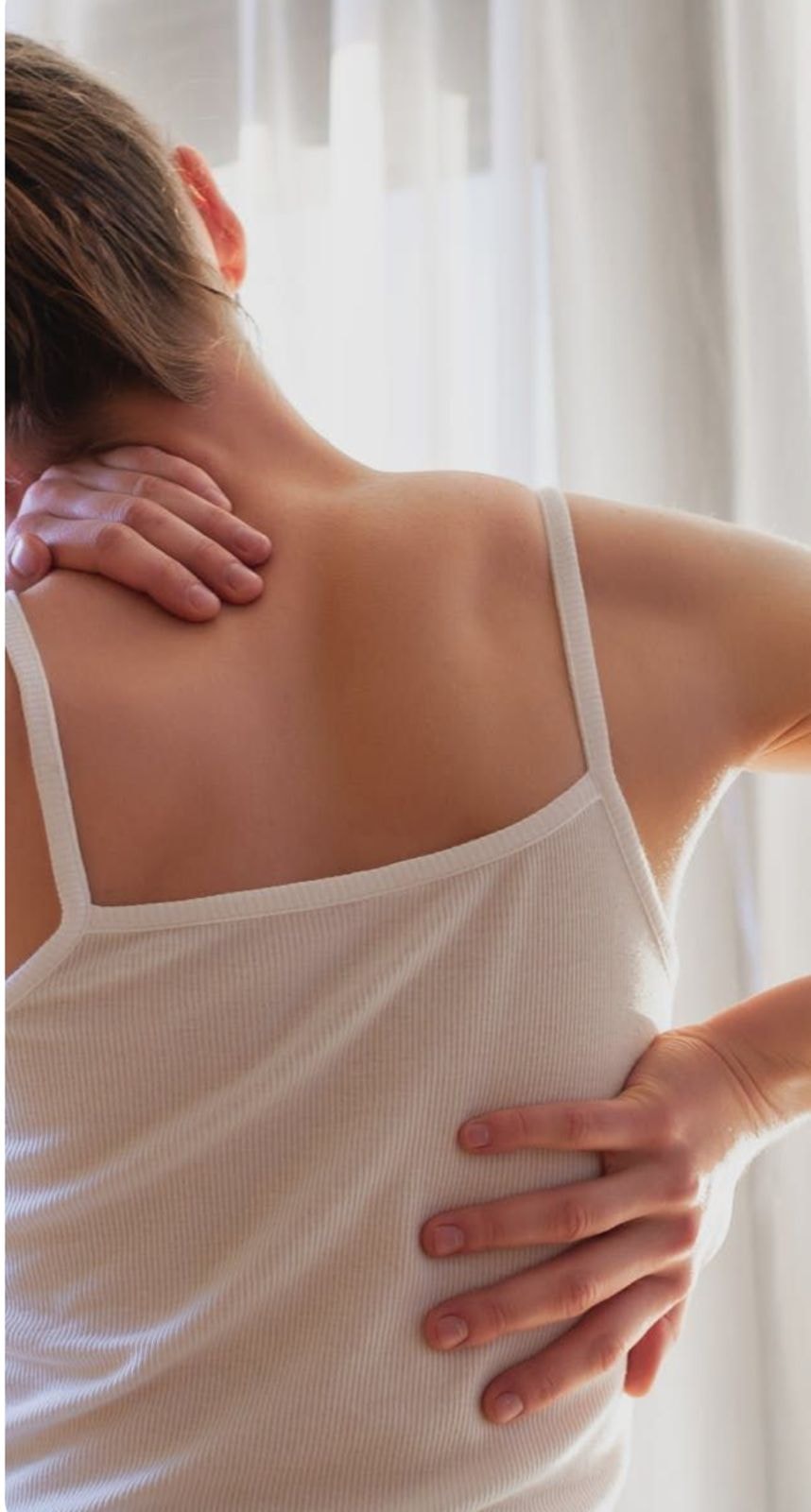
When you suck in your stomach, your diaphragm cannot drop. This forces your pelvic floor to permanently lock up to manage your internal core pressure. This lack of movement starves the pelvic floor of oxygen-rich blood, leading to muscle weakness, leaks, and deep lower back pain, while signaling to the brain that you are under constant threat.
How to Synchronize Your Piston Today
-
The Canister Check-In: Sit comfortably and place one hand flat on your lower ribs and the other hand flat on your lower belly.
-
Inhale for Wideness: Breathe in through your nose. Focus on making both hands expand outward laterally, rather than lifting your chest toward your chin. Feel your sit bones gently widen on your chair.
-
Exhale for Softness: Let the air escape your mouth smoothly like a sigh. Feel your hands return to center and your pelvic floor naturally lift without any forced squeezing or manual contraction.
By practicing this synchronized piston breath for just two minutes every morning, you physically train your core to function as a supportive unit, instantly lowering your stress levels and releasing locked pelvic tension.